

How to Reply to Google Reviews Written in a Foreign Language
Which language should you use to reply to Google reviews in a foreign language? Tips on careful translation, cultural differences and short, personal replies.
By BadePlus
Images are AI-generated.
A hotel in a tourist area, a restaurant near the airport or a cafe popular with international students gets some of its Google reviews in English, German, Arabic or Russian. Replying to a review in a foreign language takes a bit more care than replying to a Turkish one: you need to choose the right language, check the translation and keep in mind the expectations of guests from different cultures.
A good reply speaks not only to the reviewer but also to future guests who speak the same language and look at your profile. In this article, we explain how to decide which language to reply in, how to use translation tools safely, cultural differences and how to prepare for frequent topics.
In the review's language or in Turkish?
The general rule is simple: reply in the language the review was written in. The reviewer wants to read your reply in their own language, and another traveler who speaks it sees, when looking at your profile, that the business cares about reviews in their language.
In some cases, a different approach may work better:
- Reviews in mixed languages: If a review uses more than one language, reply in the one used most.
- International customers who know Turkish: If part of the review is in Turkish, or it's clear the writer knows Turkish, a Turkish reply is also fine.
- A language you can't write well: If you're not sure you can write a correct reply in that language, a plain English reply may be clearer to most readers than a broken translation.
Remember that Google can show some reviews translated into the reader's language. But this automatic translation isn't always accurate; the original text of your reply is what you wrote. Google's manage customer reviews page explains how to write and edit replies.
Using translation carefully
Translation tools and AI are very useful for understanding a review in a language you don't know and drafting a reply. But don't skip these steps:
- First understand the review correctly. Translate it and compare its meaning with the star rating. Idioms, irony and slang can be misread in translation; "great" in a low-rated review may be sarcastic.
- Build your reply from simple sentences. Short, plain sentences get distorted less in translation.
- Translate, then translate back. Translate your reply back into Turkish and check that the meaning held.
- Keep proper names intact. Leave room types, dish names or neighborhood names as they are, or explain them briefly, rather than translating them wrongly.
- Have someone check it if possible. If someone on your team or in your circle knows the language, have them read your replies, especially to negative reviews.

Cultural differences and forms of address
Guests from different cultures express satisfaction and criticism differently. When reading and replying to reviews from international customers, keep in mind:
- Directness isn't anger. In some cultures, criticism is written plainly and briefly. This may be a usual way of speaking, not a harsh attitude. Address the core of the problem without getting defensive.
- Measured praise can be a good review. Some guests consider "it was good" a nice compliment. Sincerely thank reviewers for mid-rated but positive reviews too.
- Address: Using the name shown on the review is usually enough. If you're unsure how to use the name, start with a warm greeting without it.
- Avoid jokes and idioms. A joke or idiom that feels warm in Turkish can be meaningless or hurtful in translation.
- Stay away from religion, politics and nationality. Even if such a topic comes up in the review, keep your reply about your service.
- Don't overdo the apology. Rather than long, repeated apologies, one short sentence that acknowledges the problem and says what you're doing builds more trust.
Short, personal replies
Short, personal replies work best in foreign languages too. Two to four sentences are enough for most reviews. Follow a simple structure:
- Thank them for the review.
- Mention a concrete detail from the review.
- If there's a problem, say what you did or will do.
- End with a short closing sentence.
- To a positive review: Thank you for your kind words about the breakfast and the quiet room. We are glad you enjoyed your stay and hope to welcome you again.
- To a negative review: Thank you for your feedback. We are sorry that check-in took longer than expected. We have shared your comment with our front desk team and are reviewing our arrival process.
Also avoid pasting the same template into every review. International guests also want to see that their reviews were really read. For the general principles of writing replies, see our guide to replying to Google reviews, which includes sample replies.

Preparing for frequent topics
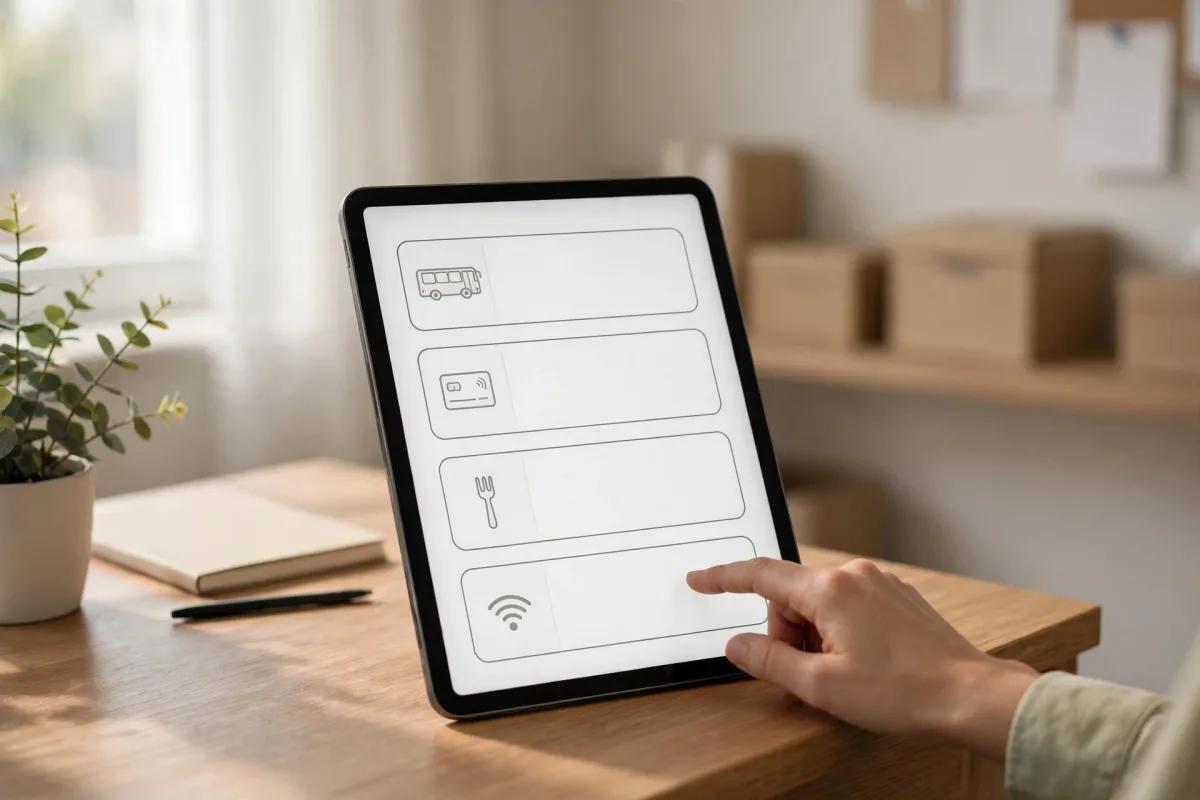
When replying to tourist reviews, you'll notice some topics keep coming up: transport and directions, communication and language, payment options, breakfast or the menu, noise, check-in and check-out times, internet connection. Preparing for them in advance both speeds up replying and keeps replies consistent.
- Prepare meaning notes. For each frequent topic, write a short note in Turkish: What do you want to say about it, and what information can you give? Take the meaning from this note when replying, and build the sentence around each review.
- Fix the problem at the business. If the same criticism appears in many reviews, fix it at the business before replying: an English translation of the menu, directional signs or a few basic foreign-language phrases for the team.
- Complete your profile. Keeping details such as payment options, accessibility and amenities current in your profile's attributes section stops some questions from ever reaching reviews.
Frequently asked questions
Should I write my reply in both Turkish and the review's language?
Usually not. A short reply in the review's language is enough for both the reviewer and later readers who speak it. A bilingual reply makes the text longer.
Can I leave a review in a language I don't know unanswered?
A short, accurate reply is better than none. Translate the review and check its meaning, prepare a plain reply of two or three sentences and, if possible, verify it with a back translation.
I noticed a translation error in my reply. Can I fix it?
Yes. You can edit a reply you've published on your Google Business Profile later. Fix it when you notice the error; if the error changes the meaning, write a short, clear new text.
Summary
- Generally reply to a foreign-language review in its own language; instead of long bilingual replies, write a short reply in one language.
- When using translation tools, make sure you understood the review correctly and check your reply by translating it back.
- Keep cultural differences in mind; avoid jokes, idioms and sensitive topics.
- Don't write personal information; give short, personal replies that mention a concrete detail from the review.
- Prepare meaning notes in Turkish for frequent topics, and fix recurring problems at the business.