

What Is Local SEO? A Simple Start for Small Businesses
Local SEO is the work that helps your business appear in searches in its area. We explain the role of Maps, your profile and your website in plain language.
By BadePlus
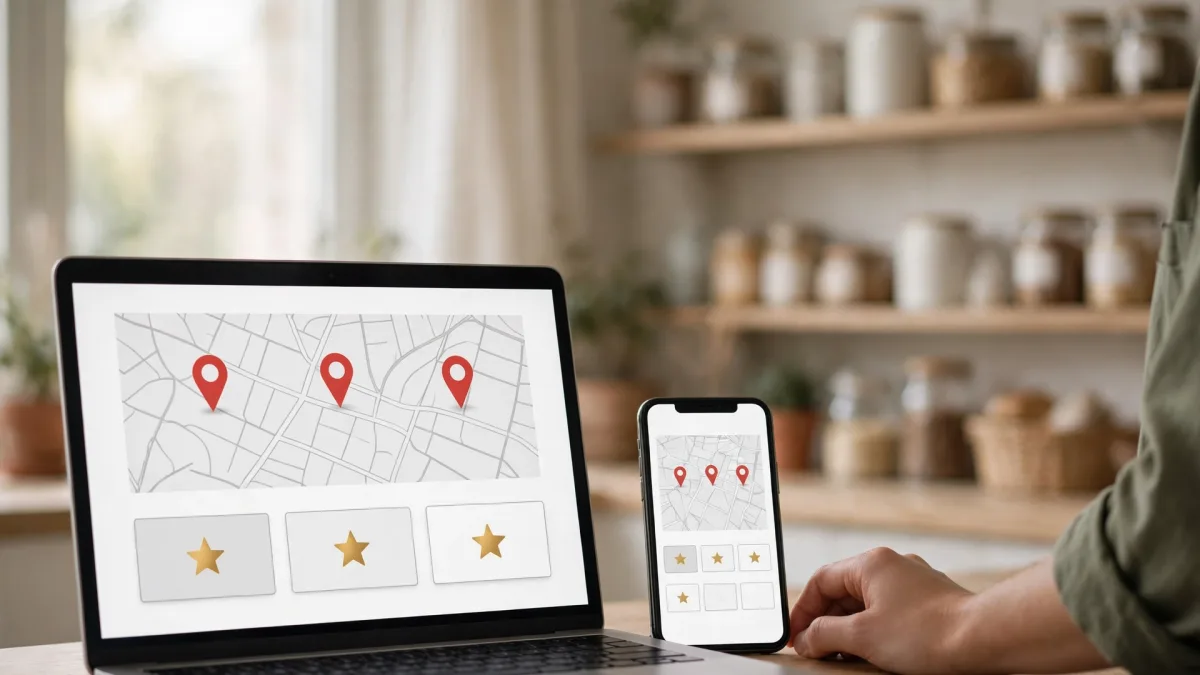
Images are AI-generated.
Search engine optimization (SEO) is the general name for the work that helps a website or business be found more easily in search results. So what is local SEO? In short, it's all the work that helps your business appear in searches made in its area: searches such as "hairdresser near me," "pharmacy open now" or "dental clinic" typed with a neighborhood name.
For a neighborhood cafe, an auto repair shop or a doctor's practice, most customers come from within a few kilometers. These customers usually see you on Google Maps and in the local results at the top of the search page before they see your website. In this article, we explain in plain language what local SEO covers, the role of your Google Business Profile and website, and first steps that need no technical knowledge.
What does local SEO mean?
Classic search engine optimization is about a website appearing in general searches. Local search engine optimization deals with searches tied to a place. In Turkish it's called "yerel SEO" and in English sources "local SEO"; the definition is the same.
Two things set local search apart:
- Location: Where the searcher is changes the result. Two people doing the same search in two different neighborhoods may see different businesses.
- Intent: Someone doing a local search often wants to act right away: call, get directions, visit.

Maps and local search results
For a local search, Google often shows a small map at the top of the results with a few businesses below it. In the Google Maps app, the list is longer. In these results, it's the business's Google profile, not its website, that stands out: name, rating, review count, whether it's open, directions and the call button.
Google explains that local results are based mainly on three factors (Tips to improve your local ranking on Google):
- Relevance: How well your profile matches the search. Complete, detailed information helps Google match your business with the right searches.
- Distance: How far your business is from the searcher. If the person doesn't share their location, Google uses what it knows.
- Prominence: How well known your business is. Google says information such as the number of websites linking to you and the number of reviews you have contributes to this factor.
The role of Google Business Profile
The content seen most in local search is the Google Business Profile. The profile is the free listing that represents your business on Google Search and Maps. If you want to know what it is and what it used to be called, see our article What is a Google Business Profile?
For local SEO, the most important profile fields are:
- The right category: The primary category that best describes your business, plus additional categories for services you really provide.
- Name, address and phone: The same name as on your sign, a real address customers can visit and a phone number that gets answered.
- Opening hours: Regular hours and special holiday hours. Google uses an example to show that a business that provides its address and hours can appear in "open now" type searches.
- Photos: Exterior, interior, product and service photos.
- Reviews and replies: Reviews from real customers and a proper reply to each.
- Attributes and services: Details such as parking, Wi-Fi, accessibility and your list of services.

Website and local content
You can appear in local search even without a website; but a site gives Google and customers more information about your business. For local SEO, watch these points on your site:
- The same information: The name, address, phone and hours on your site should exactly match your profile. A different phone number or an old address confuses both customers and Google.
- Service pages: For each main service, a simple page or section explaining what you do, for whom and where.
- Area information: Mentioning the neighborhoods you really serve in natural language. Stuffing a page with neighborhood names adds nothing for the reader.
- Readability on phones: Many local searches happen on phones; the page should be easy to read on a phone and let people call with one tap.
- Current content: New services, seasonal changes and frequently asked questions.
First steps
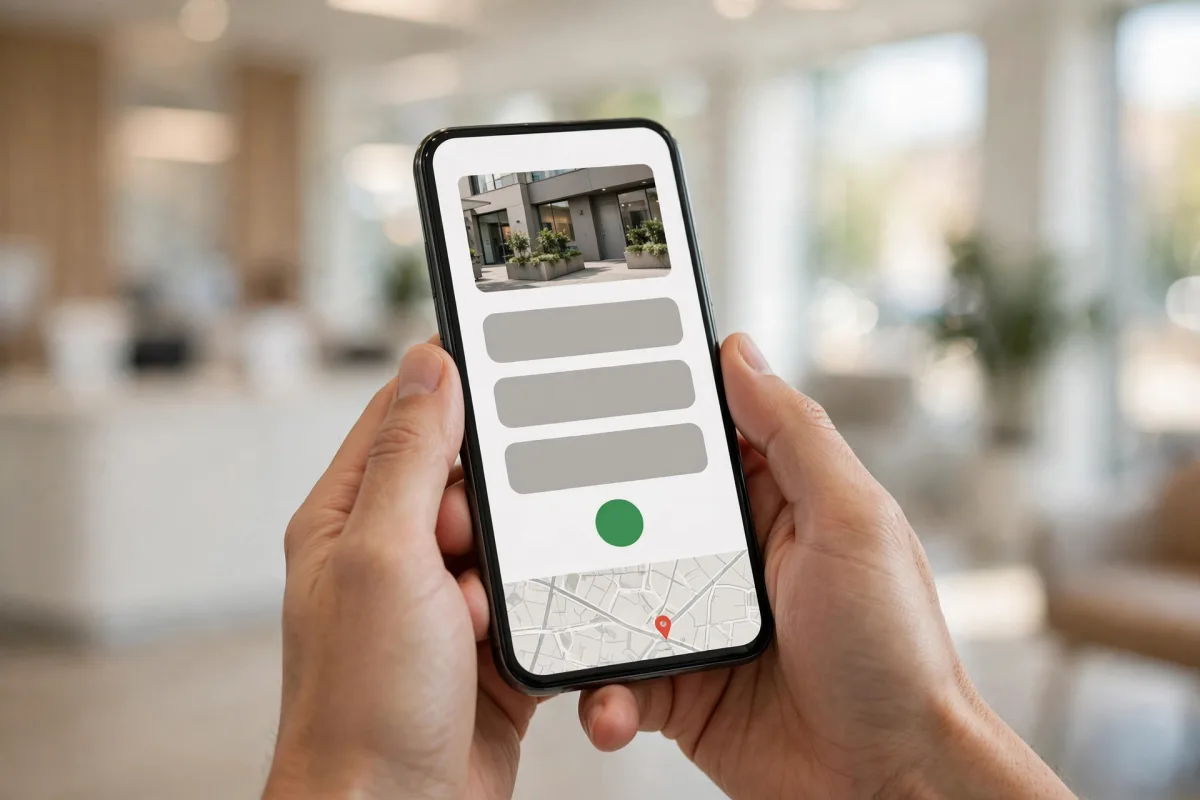
The answer to "how do you do local SEO?" isn't a long to-do list but a few steps in the right order:
- Claim and verify your profile. If you don't have one yet, create a profile; if you do, claim ownership. Verification tells Google you're authorized to represent the business.
- Fill in the basics completely. Category, address or service area, phone, website, opening hours and description.
- Keep the information the same everywhere. Your name, address and phone should match on your website, social media accounts and directory listings.
- Add real photos. Start with the exterior; continue with interior, product and at-work photos.
- Ask for reviews and reply. Ask every customer for a review with the same simple sentence; reply to every review, positive or negative. Offering a discount to get reviews or picking only satisfied customers breaks Google's guidelines.
- Stay on top of it. Enter holiday hours in advance, update changed information right away and post now and then.
- Measure. Track which searches and which areas you're visible in.
Frequently asked questions
Do I need a website for local SEO?
No; a Google Business Profile alone lets you appear in local search. But a website gives customers more information and helps Google understand your business.
When will local SEO show results?
No exact time can be given. Google decides rankings; many things affect the outcome, such as local competition, the state of your profile and your review history. Regular work is healthier than a one-time big change.
Can a service-area business do local SEO too?
Yes. Businesses that go to their customers (such as plumbers or cleaning companies) can hide their address and specify the areas they serve. The list should include only places they actually go.
Summary
- Local SEO is all the work that helps your business appear in searches in its area.
- Google ranks local results mainly by relevance, distance and prominence; everything except distance is in your hands.
- Your Google Business Profile is at the center of local search: category, information, hours, photos and reviews should be complete.
- A website complements the profile; your name, address, phone and hours should be the same everywhere.
- Results can't be known in advance; regular upkeep and measurement are the healthiest path.